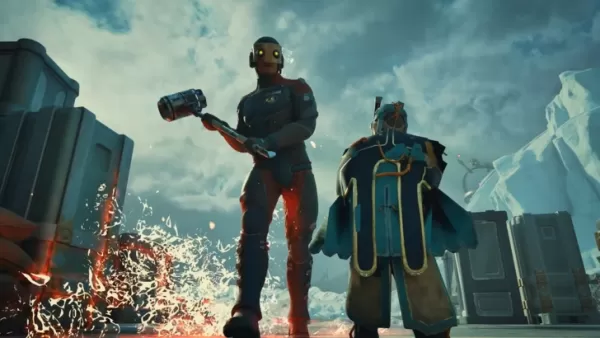
The Outer Worlds 2 will not include a respec feature, reinforcing the weight of player choices. Discover the developers' design philosophy and how this decision ultimately values your time.
No Respec in The Outer Worlds 2
Ensuring Player Choices Have Consequences
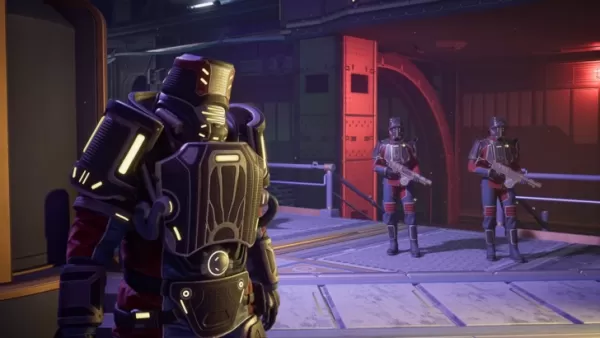
The Outer Worlds 2 retains the series' signature retro-futuristic sci-fi style but removes a common RPG convenience: character respecialization. Game Director Brandon Adler confirmed in a June 21 interview with RPG Site that this mechanic will not be part of the sequel.
Respecialization, or "respec," lets players reallocate a character's skill points and attributes to try different builds. The first game offered this via the "Vocational Competence Respecification Machine" on your ship. The development team, however, has chosen to omit it for a deliberate purpose.
Adler explained that the team aims to highlight the significance of player decisions, which shape how you experience the game. "I want players to understand their choices are permanent—they matter—so they think more carefully about them," he stated.
The goal is to deliver an authentic RPG where choices carry real weight. Adler elaborated, "Many games allow infinite respeccing. At that point, you're not really role-playing a consistent character. You might be a long-range sniper one moment, then suddenly respec into a smooth-talker. It breaks the immersion."
While not part of the original Outer Worlds team, Adler brings deep RPG expertise from his work on Obsidian titles like Alpha Protocol, Pillars of Eternity, and Fallout: New Vegas—a major inspiration for The Outer Worlds 2.
He acknowledges this design shift may split opinion but stands by the decision. Adler noted that liking respec isn't wrong, but the team is committed to their vision for stronger role-playing.
"For The Outer Worlds 2, I want the role-playing to be robust. You're building a character and committing to it—that role-playing essence should persist throughout the entire journey," Adler added.
The game offers a starting area for build experimentation, but after that, your decisions are final. Detailed menus for perks and abilities also help players plan their choices thoughtfully.
Valuing the Player's Time
With a Day One Game Pass release, players can try it casually. However, those who purchase later might not initially grasp the long-term impact of their choices. Adler was straightforward: accommodating every potential playstyle wasn't a priority for crafting the engaging experience they envisioned.
He reaffirmed that making every choice feel significant is a way of respecting players' time. "We're telling you your choices matter—take them seriously. We'll respect that by delivering meaningful consequences and reactivity for your decisions. That's how we value your time," Adler said.
This approach risks narrowing the audience, but Adler accepts that trade-off. He hopes it will attract players seeking a committed RPG experience, arguing that diluting the design to please everyone "waters down the experience a lot."
"We want to make a game people return to, obviously. But not every game is for everyone. Sometimes you have to pick a direction and commit to it," he remarked.
By removing respec, The Outer Worlds 2 seeks to set itself apart, amplifying the stakes of every decision. Whether this design proves popular remains to be seen, but the developers are confident it will create a richer RPG experience.
It's also uncertain if launching as Xbox's first $80 title is the right move. The Outer Worlds 2 launches on October 29 for Xbox Series X|S, PlayStation 5, and PC. For the latest updates, check our article below.